Introduction
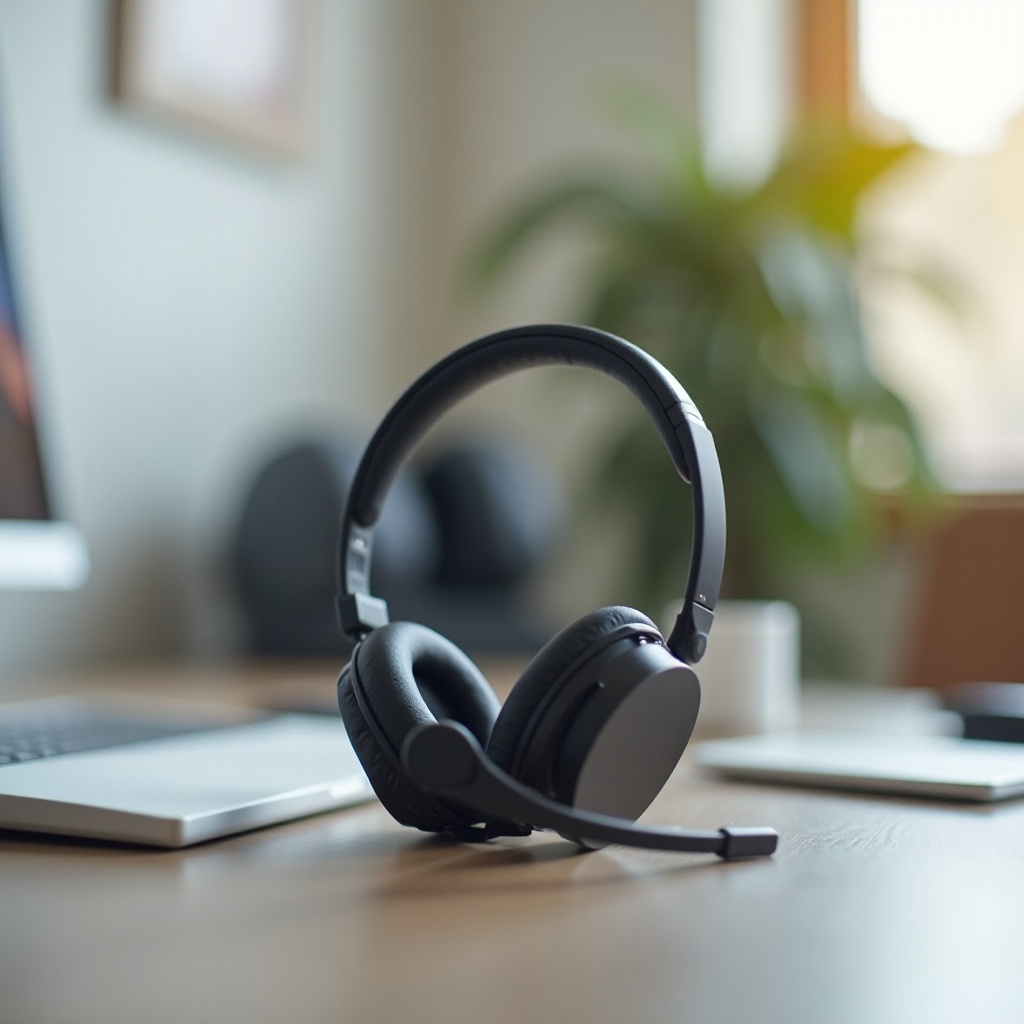
Noise-cancelling Bluetooth headsets with mic have become essential tools for enhancing audio experiences, be it for professional calls, leisurely music listening, or immersive gaming. They provide crystal-clear sound by eliminating unwanted ambient noise, ensuring users maintain focus regardless of their environment. These headsets are increasingly popular for their ability to bring clarity to communication and enjoyment to music without distractions.
As you navigate this guide, you’ll gain insight into noise cancelling technology, discover crucial headset features, review top models for 2024, learn how to pick the best option for your needs, and find tips to enhance your audio experience.
Understanding Noise Cancelling Technology
Noise cancelling technology plays a vital role in providing an uninterrupted audio experience by reducing ambient sounds that interfere with clarity and focus.
Active vs. Passive Noise Cancellation
Two primary techniques are employed in noise cancelling headsets: active and passive noise cancellation. Active noise cancellation (ANC) uses sophisticated electronics to counteract external sounds, making it highly effective in reducing low-frequency noises like engine hum. Passive noise cancellation, however, relies on physical barriers to block noise. While effective for higher frequencies, passive methods are often less comprehensive than ANC.
How Noise Cancellation Enhances Audio Experience
Utilizing ANC or passive noise reduction effectively minimizes distractions and optimizes sound quality. Whether on a busy commute or in a loud coffee shop, noise cancelling headsets provide a cocoon of sound, allowing you to focus entirely on your audio content, enriching the experience and bringing a new level of detail to the forefront.
Key Features of Bluetooth Headsets with Mic
To choose the perfect headset, consider several crucial features that significantly impact performance and the overall user experience.
Importance of a High-Quality Microphone
A superior microphone is critical in a noise-cancelling Bluetooth headset as it ensures your voice is heard clearly, making it ideal for conference calls and virtual meetings. Opt for models featuring noise-cancelling microphones that help isolate and transmit your voice distinctly, free from surrounding noise.
Connectivity and Bluetooth Version
The current Bluetooth technology significantly enhances connectivity and audio quality. Versions such as Bluetooth 5.0 and above offer more robust, efficient connections and power management, ensuring a seamless and high-quality audio experience.
Battery Life and Charging Options
Battery life is a pivotal consideration, especially for users who need the headset to last throughout the day. Choose models that promise long battery life, ideally over 20 hours, and offer rapid charging capabilities for convenience, reducing downtime and ensuring you’re always ready to listen.
Top Models to Consider in 2024
Several standout models this year balance quality, features, and price, catering to various needs and preferences.
Premium Options for Audiophiles
For those who demand high-fidelity sound, premium models like the Bose Noise Cancelling Headphones 700 and Sony WH-1000XM5 provide unparalleled noise cancellation and sound quality, along with sleek designs and comfort that are worth the investment.
Best Mid-Range Models
Mid-range models offer exceptional value, balancing performance and cost. The Jabra Elite 85h and Sennheiser PXC 550-II stand out in this category, providing strong noise cancellation, impressive sound, and solid build quality at a reasonable price.
Budget-Friendly Choices
Budget-friendly options should not mean compromise, as evidenced by models like the Anker Soundcore Life Q30, which deliver effective noise cancelling features and comfortable designs, offering great value for those on a budget.
Tips for Choosing the Right Headset
Choosing the right headset must address personal preferences and specific needs.
Comfort and Fit
Comfort is crucial, particularly during long listening sessions. Look for headsets with adjustable headbands, soft ear padding, and a lightweight design. Trying on different models can help determine what works best for you, ensuring lasting comfort and usability.
Compatibility with Other Devices
Ensure your selected headset is compatible with all your primary devices. Many headsets now offer multipoint connectivity so you can switch effortlessly between devices, maintaining seamless audio transitions.
Enhancing Your Headset Experience
To extract maximum value and performance from your headset, proper setup, maintenance, and care are essential.
Setting Up for Optimal Performance
Familiarize yourself with your headset’s features. Adjust noise cancellation settings and equalizer preferences to customize your audio experience. Properly configuring these settings ensures that the quality meets your expectations and device capability.
Maintenance and Care Tips
Maintain your headset’s longevity and cleanliness by:
– Regularly wiping down ear cups and headbands with a soft, damp cloth.
– Storing your headset in a protective case when not in use.
– Keeping your device’s firmware updated to take advantage of the latest improvements.
Conclusion
Choosing a noise-cancelling Bluetooth headset with mic can transform your audio experience, offering unparalleled clarity and focus. By understanding noise cancellation technology, evaluating key features, exploring top models, and applying our expert tips, you can enhance your listening experience to meet your lifestyle and preferences perfectly.
Frequently Asked Questions
What is the main difference between active and passive noise cancellation?
Active noise cancellation uses electronic processing to counteract ambient noise, while passive relies on physical barriers to block sound.
How can I improve the mic quality on my Bluetooth headset?
Ensure the microphone is clean, adjust its settings, and make use of built-in noise reduction features for clearer audio.
Are noise-cancelling headsets safe for long-term use?
Yes, they’re safe when used at comfortable volume levels, but regular breaks are recommended to prevent ear fatigue.