Introduction
The launch of the iPhone 16 has sparked widespread discussions, not only due to its impressive features but also because of its groundbreaking shift towards being exclusively eSIM. Apple’s decision marks a pivotal point in the mobile technology landscape, suggesting a future where physical SIM cards might become a thing of the past. This article delves into what eSIM means for users and the mobile industry, shedding light on Apple’s innovation, user reactions, and practical guidance for navigating this transition.
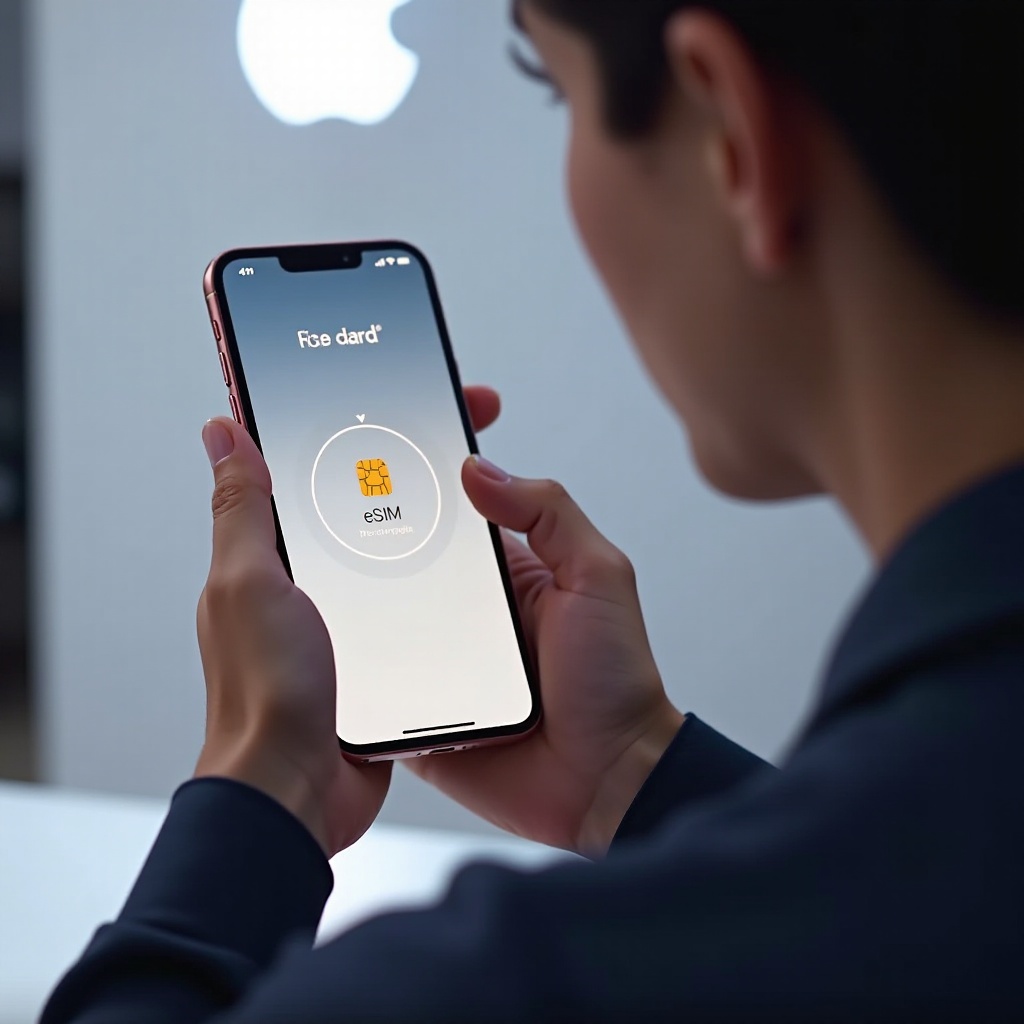
Understanding eSIM Technology in iPhone 16
What is an eSIM?
An eSIM, or embedded SIM, is a programmable SIM card directly embedded into the smartphone’s hardware. Unlike traditional SIMs, which require physical insertion, eSIMs are activated digitally, thus providing the flexibility to switch networks and manage mobile service plans through the device settings. This innovation aligns with modern trends towards seamless digital integration, offering enhanced convenience for users.
How eSIM Differs from Traditional SIM Cards
Traditional SIM cards are physical entities that users insert into their phones to connect to a network. In contrast, an eSIM is a digital version that removes the need for a physical card. This technological shift offers numerous advantages, including the ability to store multiple carrier profiles on a single device and eliminate the hassle of swapping SIM cards, particularly beneficial for frequent travelers.
Key Features of iPhone 16: Embracing eSIM-Only Design
Benefits of eSIM-Only Configuration
The eSIM-only design adopted by the iPhone 16 brings several notable benefits:
- Streamlined Design: Absence of a SIM card tray allows for a more compact and aesthetically pleasing device.
- Effortless Switching: Users can transition between different carriers or plans without needing a new physical SIM.
- Environmental Considerations: By eliminating the physical card, Apple contributes to reducing plastic waste, supporting its sustainability goals.
Apple’s Innovation Strategy
Apple’s move towards an eSIM-only iPhone reflects its broader innovation strategy aimed at simplifying technology for consumers while pushing industry standards forward. This transition is a strategic step that could set a precedent for competitors, encouraging other smartphone manufacturers to embrace eSIM technology.
Consumer Response and Market Impact
User Reactions to eSIM-Only iPhone 16
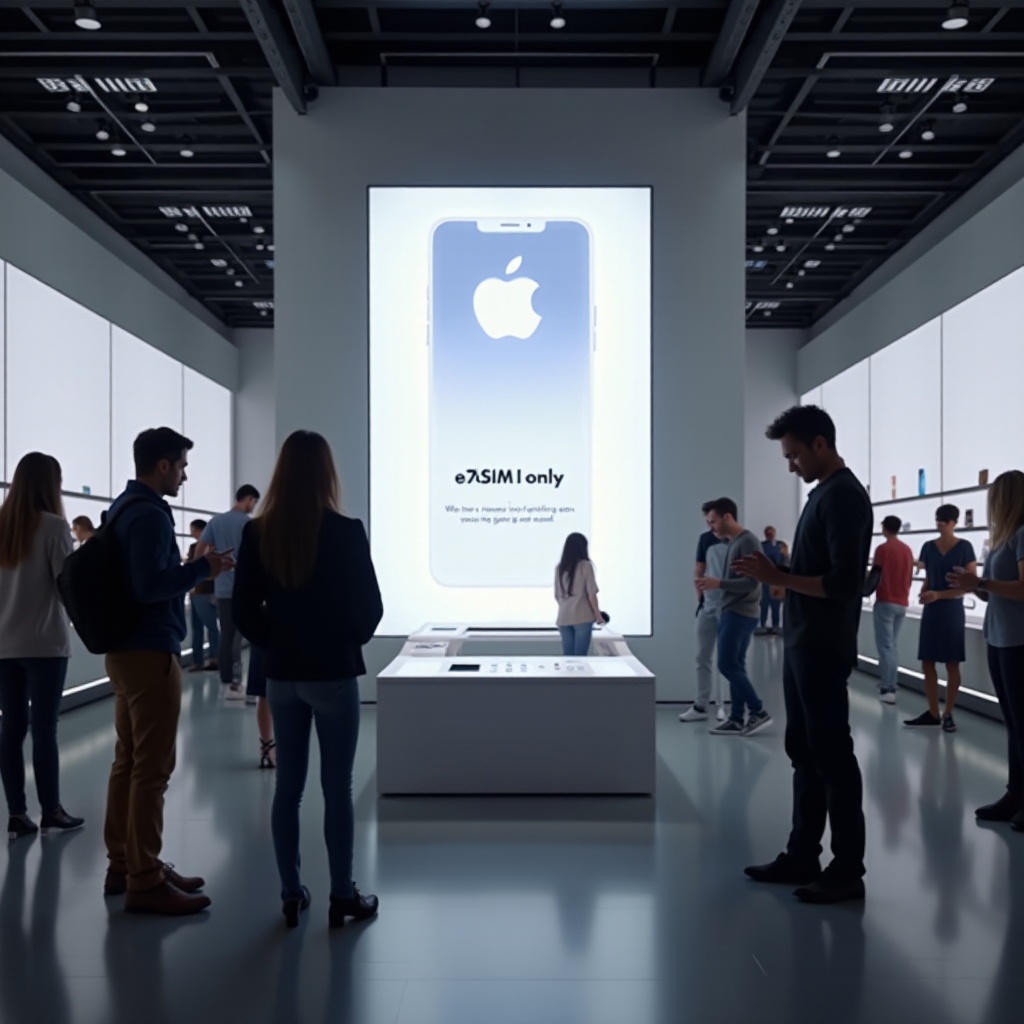
The consumer response to the iPhone 16 has been mixed, largely due to the transition to eSIM-only functionality. Many users appreciate the device’s sleek design and the convenience of eSIM, yet some report challenges regarding carrier compatibility. As more carriers adopt eSIM, these issues are expected to decrease.
Challenges Faced by Consumers
Despite its advantages, the eSIM technology presents challenges, notably the variability in carrier support across different regions. Users accustomed to traditional SIM cards may find the eSIM setup unfamiliar, and support from their existing provider may not be immediate. However, this situation is improving as more telecom providers upgrade their networks to support eSIM capability.
Telecom Industry’s Adaptation to eSIM Transition
Carrier Support and Compatibility Issues
The eSIM rollout requires significant adjustments from mobile carriers. To facilitate this technology:
- Infrastructure Enhancements: Carriers need to upgrade their systems for efficient eSIM activation and management.
- Enhanced Customer Support: Representatives need comprehensive training to address eSIM-related inquiries from customers.
Global Adoption and Market Trends
The adoption of eSIM technology varies widely across regions, with Europe and North America leading due to robust support infrastructure. As global demand for flexible telecom solutions grows, more regions are expected to adopt eSIM, further facilitating seamless connectivity for international travelers and business professionals.
Securing Your Device: The Safety of eSIM Technology
Security Enhancements with eSIM
eSIM technology offers significant security benefits compared to traditional SIMs. Notably, the absence of a removable card minimizes the risks of loss or theft. Furthermore, eSIMs allow users to deactivate them remotely, providing an extra layer of control over mobile service access.
Privacy Considerations
eSIM technology promotes enhanced privacy for users. Since the SIM data isn’t tied to a removable card, the risk of unauthorized access is reduced. This feature is reassuring for privacy-conscious consumers, promising an advanced level of data security over traditional methods.
Transitioning to eSIM: A User’s Guide
Setting Up eSIM on iPhone 16
Adapting to the eSIM-only iPhone 16 is straightforward with these basic steps:
- Check Compatibility: Verify with your carrier whether they support eSIM technology.
- Activate Your Plan: Contact your carrier to activate your number via eSIM.
- Download and Install: Use your iPhone to scan the carrier’s provided QR code, following on-screen prompts to automatically install the eSIM.
Managing Multiple eSIM Profiles
One of the remarkable features of eSIM is its ability to support multiple carrier profiles, enabling users to switch from one plan or carrier to another easily through their phone’s settings. This capability is particularly advantageous for international travelers who need to manage various plans without physical swaps.
Conclusion
The iPhone 16’s eSIM-only strategy is a bold step into the future of mobile technology. Prospective users should consider the benefits of a streamlined, flexible device that complements Apple’s innovation vision. While challenges remain, particularly concerning network compatibility, ongoing advancements in mobile technology and carrier support are likely to smooth the path for a broader acceptance and adoption of eSIM technology.
Frequently Asked Questions
How do I know if my carrier supports eSIM?
Contact your carrier or check their official website for information on eSIM support. Most major carriers provide these details online.
Can I use eSIM with international carriers on iPhone 16?
Yes, eSIM generally supports global carriers. Ensure to check compatibility and availability with the specific international carrier you choose.
What should I do if I face issues with eSIM activation?
First, make sure your iPhone is running the latest software. If issues persist, reach out to your carrier’s customer support for assistance.